Buy easycontact.eu ?
We are moving the project
easycontact.eu .
Are you interested in purchasing the domain
easycontact.eu ?
domain@kv-gmbh.de · 0541-91531010
Buy easycontact.eu ?
Are there sockets with loose contact?
Yes, sockets with loose contact can be a common issue in older or worn-out electrical outlets. Loose contact can lead to intermittent power supply, sparking, or even electrical fires. It is important to address this issue promptly by either tightening the connections or replacing the outlet to ensure safety and prevent further damage. **
Where is the touch protection located in sockets?
The touch protection in sockets is located in the form of plastic shutters or barriers that cover the openings of the socket holes. These shutters or barriers are designed to prevent direct contact with the live electrical components inside the socket, reducing the risk of electric shock. The touch protection is an important safety feature in sockets, especially in households with children, to prevent accidental contact with live electrical parts. **

Similar search terms for Sockets
Top-Angebote
Products related to Sockets:
-
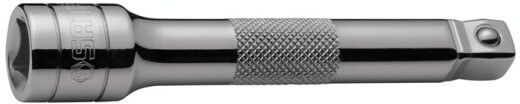
UNIOR 600874 Extension, socketsDrive [inch]: 1/2; Square Drive Tang Size [mm (inch)]: 12.5 (1/2); Drive side (profile): Rectangle; Length [mm]: 125; Diameter 1 [mm]: 16.8; Diameter 2 [mm]: 24; Weight [g]: 178; Material: Chrome Vanadium Steel; Processing: Hardened, Forged; Surface: Chromed, Polished; DIN/ISO: ISO 1456:2009, ISO 33166,99 £*Shipping: 8,45 £Secure redirect to the provider



-
Can French sockets be replaced by German sockets?
No, French sockets cannot be replaced by German sockets without making significant changes to the electrical wiring and infrastructure. French sockets are designed to accommodate the French electrical system, which operates at a different voltage and frequency than the German electrical system. Additionally, the physical dimensions and pin configurations of French and German sockets are different, so they are not interchangeable without extensive modifications. It is important to consult with a qualified electrician to ensure that any changes to electrical sockets are done safely and in compliance with local regulations. **
-
Are there sockets without a PE grounding contact?
Yes, there are sockets without a PE (Protective Earth) grounding contact. These sockets are typically found in older buildings or in regions where electrical safety standards may not be as strict. However, it is important to note that having a PE grounding contact is crucial for ensuring the safety of electrical appliances and preventing electric shocks. It is recommended to always use sockets with a PE grounding contact whenever possible. **
-
How do I catch an error message in Java sockets?
To catch an error message in Java sockets, you can use try-catch blocks to handle exceptions that may occur during socket operations. When working with sockets, you can catch specific exceptions such as IOException or SocketException to handle errors related to network communication. Additionally, you can use the getMessage() method on the caught exception to retrieve the error message and log it or display it to the user for debugging purposes. It's important to handle errors gracefully to ensure the robustness of your socket-based applications. **
-
Which screwdriver for sockets?
A screwdriver with a socket attachment, also known as a socket screwdriver, is the best tool to use for sockets. This type of screwdriver allows you to easily tighten or loosen bolts and screws that have a hexagonal or square-shaped socket head. The socket attachment comes in various sizes to fit different socket heads, making it a versatile tool for various tasks. It is important to choose the correct size socket attachment to ensure a secure fit and prevent damage to the socket head. **


Are there multiple sockets?
Yes, there are multiple sockets available in the room. **
Why do sockets spark?
Sockets can spark for a few reasons. One common reason is that there may be loose connections within the socket, causing electricity to arc and create sparks. Another reason could be that the socket is old or worn out, leading to deterioration of the internal components and increased likelihood of sparking. Additionally, if there is a sudden surge of electricity or a short circuit, it can cause sparking in the socket. It's important to address sparking sockets promptly to prevent potential electrical hazards. **
Top-Angebote
Products related to Sockets:
-
Are there sockets with loose contact?
Yes, sockets with loose contact can be a common issue in older or worn-out electrical outlets. Loose contact can lead to intermittent power supply, sparking, or even electrical fires. It is important to address this issue promptly by either tightening the connections or replacing the outlet to ensure safety and prevent further damage. **
-
Where is the touch protection located in sockets?
The touch protection in sockets is located in the form of plastic shutters or barriers that cover the openings of the socket holes. These shutters or barriers are designed to prevent direct contact with the live electrical components inside the socket, reducing the risk of electric shock. The touch protection is an important safety feature in sockets, especially in households with children, to prevent accidental contact with live electrical parts. **
-
Can French sockets be replaced by German sockets?
No, French sockets cannot be replaced by German sockets without making significant changes to the electrical wiring and infrastructure. French sockets are designed to accommodate the French electrical system, which operates at a different voltage and frequency than the German electrical system. Additionally, the physical dimensions and pin configurations of French and German sockets are different, so they are not interchangeable without extensive modifications. It is important to consult with a qualified electrician to ensure that any changes to electrical sockets are done safely and in compliance with local regulations. **
-
Are there sockets without a PE grounding contact?
Yes, there are sockets without a PE (Protective Earth) grounding contact. These sockets are typically found in older buildings or in regions where electrical safety standards may not be as strict. However, it is important to note that having a PE grounding contact is crucial for ensuring the safety of electrical appliances and preventing electric shocks. It is recommended to always use sockets with a PE grounding contact whenever possible. **
Similar search terms for Sockets
-
UNIOR 600874 Extension, socketsDrive [inch]: 1/2; Square Drive Tang Size [mm (inch)]: 12.5 (1/2); Drive side (profile): Rectangle; Length [mm]: 125; Diameter 1 [mm]: 16.8; Diameter 2 [mm]: 24; Weight [g]: 178; Material: Chrome Vanadium Steel; Processing: Hardened, Forged; Surface: Chromed, Polished; DIN/ISO: ISO 1456:2009, ISO 33166,99 £*Shipping: 8,45 £Secure redirect to the provider
-
How do I catch an error message in Java sockets?
To catch an error message in Java sockets, you can use try-catch blocks to handle exceptions that may occur during socket operations. When working with sockets, you can catch specific exceptions such as IOException or SocketException to handle errors related to network communication. Additionally, you can use the getMessage() method on the caught exception to retrieve the error message and log it or display it to the user for debugging purposes. It's important to handle errors gracefully to ensure the robustness of your socket-based applications. **
-
Which screwdriver for sockets?
A screwdriver with a socket attachment, also known as a socket screwdriver, is the best tool to use for sockets. This type of screwdriver allows you to easily tighten or loosen bolts and screws that have a hexagonal or square-shaped socket head. The socket attachment comes in various sizes to fit different socket heads, making it a versatile tool for various tasks. It is important to choose the correct size socket attachment to ensure a secure fit and prevent damage to the socket head. **
-
Are there multiple sockets?
Yes, there are multiple sockets available in the room. **
-
Why do sockets spark?
Sockets can spark for a few reasons. One common reason is that there may be loose connections within the socket, causing electricity to arc and create sparks. Another reason could be that the socket is old or worn out, leading to deterioration of the internal components and increased likelihood of sparking. Additionally, if there is a sudden surge of electricity or a short circuit, it can cause sparking in the socket. It's important to address sparking sockets promptly to prevent potential electrical hazards. **
* All prices are inclusive of VAT and, if applicable, plus shipping costs. The offer information is based on the details provided by the respective shop and is updated through automated processes. Real-time updates do not occur, so deviations can occur in individual cases. ** Note: Parts of this content were created by AI.