Buy easycontact.eu ?
We are moving the project
easycontact.eu .
Are you interested in purchasing the domain
easycontact.eu ?
domain@kv-gmbh.de · 0541-91531010
Buy easycontact.eu ?
Can battery acid etch plastic?
Yes, battery acid can etch plastic. Battery acid is typically sulfuric acid, which is a highly corrosive substance that can react with and degrade many materials, including plastic. When in contact with plastic, battery acid can cause the plastic to become discolored, deformed, or even dissolve over time. It is important to handle battery acid with care and avoid contact with plastic materials to prevent damage. **
What can formic acid etch away?
Formic acid can etch away various materials such as metals, concrete, and certain types of plastics. It is particularly effective at removing rust and scale from metal surfaces. Additionally, formic acid can also dissolve certain types of minerals and organic materials. However, it is important to use formic acid with caution as it can be corrosive and potentially harmful if not handled properly. **


Similar search terms for Etch
Top-Angebote
Products related to Etch:
-
Uplift Essentials Natural Edible Small Pet Chews Enrichment Dental Interface High Yield Foraging Interaction Hub Natural Edible Small Pet Chews Enrichment Dental Interface High Yield Foraging Interaction HubAchieve nutritional optimization with these Precision Detachable Enrichment Chews. Specifically engineered for biological transparency, this highperformance technical tool acts as a vital tool for dental efficiency, neutralizing the limitations of...67,97 $*Shipping: 0,00 $Secure redirect to the provider
-
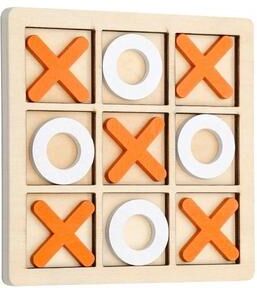
Uplifted Finds Solid Wooden Tic Tac Toe Board And Strategic Interaction Interface orangeInaugurate a direct energy for your environment with this integrated cognitive solution. This solid wooden TicTacToe board serves as a functional choice for your tactical recreation journeys, offering a highdurability alternative to standard...34,97 $*Shipping: 0,00 $Secure redirect to the provider
-
TP-LINK UE300C USB-C to Ethernet Adapter – Gigabit Connectivity for Ultrabooks & TabletsOverview: The TP-Link UE300C is a compact and efficient USB-C to Gigabit Ethernet adapter, designed to provide high-speed wired internet access to devices lacking an Ethernet port. Ideal for ultrabooks, Chromebooks, and tablets, it ensures stable and fast network connections. Product Description: This lightweight adapter features a USB 3.0 Type-C connector and an RJ45 Gigabit Ethernet port, supporting data transfer speeds up to 1000Mbps. Its plug-and-play functionality ensures easy setup without the need for additional drivers on most operating systems, including Windows 10/8.1/8/7, macOS 10.9 and later, Chrome OS, and Linux. The foldable design enhances portability, making it an excellent companion for on-the-go professionals. Key Features: High-Speed Connectivity: Supports Gigabit Ethernet speeds up to 1000Mbps for seamless streaming, gaming, and large file transfers. Plug-and-Play: No additional drivers required for most operating systems; compatible with Windows, macOS, Chrome OS, and Linux. Compact Design: Slim and foldable, perfect for travel and easy storage. Universal Compatibility: Works with a wide range of USB-C devices, including ultrabooks, tablets, and smartphones. Durable Build: Designed for reliable performance and longevity.9,99 £*Shipping: 0,00 £Secure redirect to the provider
-
Inspire Curations TalkPaws Dog Communication Buttons For Pet Training & Interaction only Buttons 5 PiecesStrengthen the bond with your pet through a fun and engaging way to communicate. These recordable dog communication buttons allow dogs and cats to associate words, actions, and needs with simple button presses, helping create interactive training...130,00 $*Shipping: 0,00 $Secure redirect to the provider



-
Which acid is able to etch stone?
Hydrochloric acid is commonly used to etch stone surfaces. It is a strong acid that can dissolve minerals in the stone, creating a rough texture on the surface. This process is often used in stone masonry to create decorative patterns or to prepare the surface for further treatment, such as painting or sealing. However, it is important to use hydrochloric acid with caution, as it can be corrosive and harmful if not handled properly. **
-
How can one etch damask with vinegar essence?
To etch damask with vinegar essence, you can start by diluting the vinegar essence with water in a 1:1 ratio. Next, apply the diluted vinegar essence onto the damask fabric using a brush or sponge. Allow the vinegar essence to sit on the fabric for a few minutes to penetrate the fibers. Finally, rinse the fabric thoroughly with water to remove the vinegar essence and reveal the etched design on the damask. **
-
How can one etch metal or plastic with acid?
To etch metal or plastic with acid, one can start by creating a design or pattern on the surface using a resist material such as wax, tape, or a special etching resist. The resist material will protect the areas that are not meant to be etched. Next, the metal or plastic piece is submerged in an acid solution, such as ferric chloride for metal or hydrochloric acid for plastic, for a specific amount of time. The acid will eat away at the exposed areas, creating the desired design. Finally, the resist material is removed, and the piece is cleaned to reveal the etched design. **
-
What are the best acids to etch steel-hard materials?
The best acids to etch steel-hard materials are strong mineral acids such as hydrochloric acid (HCl) and sulfuric acid (H2SO4). These acids are highly corrosive and can effectively etch hard materials like steel due to their ability to break down the surface of the material. It is important to use these acids with caution and proper safety measures as they can be hazardous to handle. Additionally, a controlled etching process is essential to achieve the desired results without damaging the material. **
Can iron(III) chloride also be used to etch steel?
Yes, iron(III) chloride can also be used to etch steel. It is commonly used in the metalworking industry as an etchant for steel and other metals. The solution of iron(III) chloride reacts with the surface of the steel, creating a roughened texture that can be used for various purposes such as creating a matte finish or preparing the surface for further processing like painting or coating. However, it is important to handle iron(III) chloride with care as it is a corrosive and potentially hazardous chemical. **
How to use distilled water to develop and etch circuit boards?
To use distilled water to develop and etch circuit boards, first mix a solution of distilled water and a developer chemical such as sodium hydroxide or sodium metasilicate. Place the circuit board in the solution and agitate gently to remove the unwanted copper. Rinse the board with distilled water to stop the etching process. Finally, dry the board thoroughly before further processing or soldering components onto it. **
Top-Angebote
Products related to Etch:
-
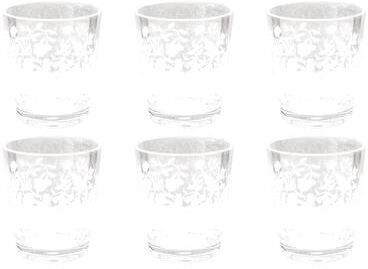
Abode Homewares Vines Acrylic Etch Stemless Wine Glass - Clear - 14.6 oz - Set of 6Elevate your dining experience with the Vines Etch stemless wine glass set. Crafted from crystal-clear acrylic, these glasses offer stunning, glass-like clarity and are perfect for both the dining room and outdoor dining.35,62 $*Shipping: 0,00 $Secure redirect to the provider
-
Uplift Essentials Natural Edible Small Pet Chews Enrichment Dental Interface High Yield Foraging Interaction Hub Natural Edible Small Pet Chews Enrichment Dental Interface High Yield Foraging Interaction HubAchieve nutritional optimization with these Precision Detachable Enrichment Chews. Specifically engineered for biological transparency, this highperformance technical tool acts as a vital tool for dental efficiency, neutralizing the limitations of...67,97 $*Shipping: 0,00 $Secure redirect to the provider
-
Uplifted Finds Solid Wooden Tic Tac Toe Board And Strategic Interaction Interface orangeInaugurate a direct energy for your environment with this integrated cognitive solution. This solid wooden TicTacToe board serves as a functional choice for your tactical recreation journeys, offering a highdurability alternative to standard...34,97 $*Shipping: 0,00 $Secure redirect to the provider
-
Can battery acid etch plastic?
Yes, battery acid can etch plastic. Battery acid is typically sulfuric acid, which is a highly corrosive substance that can react with and degrade many materials, including plastic. When in contact with plastic, battery acid can cause the plastic to become discolored, deformed, or even dissolve over time. It is important to handle battery acid with care and avoid contact with plastic materials to prevent damage. **
-
What can formic acid etch away?
Formic acid can etch away various materials such as metals, concrete, and certain types of plastics. It is particularly effective at removing rust and scale from metal surfaces. Additionally, formic acid can also dissolve certain types of minerals and organic materials. However, it is important to use formic acid with caution as it can be corrosive and potentially harmful if not handled properly. **
-
Which acid is able to etch stone?
Hydrochloric acid is commonly used to etch stone surfaces. It is a strong acid that can dissolve minerals in the stone, creating a rough texture on the surface. This process is often used in stone masonry to create decorative patterns or to prepare the surface for further treatment, such as painting or sealing. However, it is important to use hydrochloric acid with caution, as it can be corrosive and harmful if not handled properly. **
-
How can one etch damask with vinegar essence?
To etch damask with vinegar essence, you can start by diluting the vinegar essence with water in a 1:1 ratio. Next, apply the diluted vinegar essence onto the damask fabric using a brush or sponge. Allow the vinegar essence to sit on the fabric for a few minutes to penetrate the fibers. Finally, rinse the fabric thoroughly with water to remove the vinegar essence and reveal the etched design on the damask. **
Similar search terms for Etch
-
TP-LINK UE300C USB-C to Ethernet Adapter – Gigabit Connectivity for Ultrabooks & TabletsOverview: The TP-Link UE300C is a compact and efficient USB-C to Gigabit Ethernet adapter, designed to provide high-speed wired internet access to devices lacking an Ethernet port. Ideal for ultrabooks, Chromebooks, and tablets, it ensures stable and fast network connections. Product Description: This lightweight adapter features a USB 3.0 Type-C connector and an RJ45 Gigabit Ethernet port, supporting data transfer speeds up to 1000Mbps. Its plug-and-play functionality ensures easy setup without the need for additional drivers on most operating systems, including Windows 10/8.1/8/7, macOS 10.9 and later, Chrome OS, and Linux. The foldable design enhances portability, making it an excellent companion for on-the-go professionals. Key Features: High-Speed Connectivity: Supports Gigabit Ethernet speeds up to 1000Mbps for seamless streaming, gaming, and large file transfers. Plug-and-Play: No additional drivers required for most operating systems; compatible with Windows, macOS, Chrome OS, and Linux. Compact Design: Slim and foldable, perfect for travel and easy storage. Universal Compatibility: Works with a wide range of USB-C devices, including ultrabooks, tablets, and smartphones. Durable Build: Designed for reliable performance and longevity.9,99 £*Shipping: 0,00 £Secure redirect to the provider
-
Inspire Curations TalkPaws Dog Communication Buttons For Pet Training & Interaction only Buttons 5 PiecesStrengthen the bond with your pet through a fun and engaging way to communicate. These recordable dog communication buttons allow dogs and cats to associate words, actions, and needs with simple button presses, helping create interactive training...130,00 $*Shipping: 0,00 $Secure redirect to the provider
-
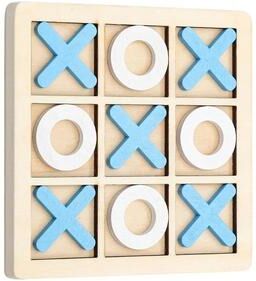
Uplifted Finds Solid Wooden Tic Tac Toe Board And Strategic Interaction Interface blueInaugurate a direct energy for your environment with this integrated cognitive solution. This solid wooden TicTacToe board serves as a functional choice for your tactical recreation journeys, offering a highdurability alternative to standard...34,97 $*Shipping: 0,00 $Secure redirect to the provider
-
How can one etch metal or plastic with acid?
To etch metal or plastic with acid, one can start by creating a design or pattern on the surface using a resist material such as wax, tape, or a special etching resist. The resist material will protect the areas that are not meant to be etched. Next, the metal or plastic piece is submerged in an acid solution, such as ferric chloride for metal or hydrochloric acid for plastic, for a specific amount of time. The acid will eat away at the exposed areas, creating the desired design. Finally, the resist material is removed, and the piece is cleaned to reveal the etched design. **
-
What are the best acids to etch steel-hard materials?
The best acids to etch steel-hard materials are strong mineral acids such as hydrochloric acid (HCl) and sulfuric acid (H2SO4). These acids are highly corrosive and can effectively etch hard materials like steel due to their ability to break down the surface of the material. It is important to use these acids with caution and proper safety measures as they can be hazardous to handle. Additionally, a controlled etching process is essential to achieve the desired results without damaging the material. **
-
Can iron(III) chloride also be used to etch steel?
Yes, iron(III) chloride can also be used to etch steel. It is commonly used in the metalworking industry as an etchant for steel and other metals. The solution of iron(III) chloride reacts with the surface of the steel, creating a roughened texture that can be used for various purposes such as creating a matte finish or preparing the surface for further processing like painting or coating. However, it is important to handle iron(III) chloride with care as it is a corrosive and potentially hazardous chemical. **
-
How to use distilled water to develop and etch circuit boards?
To use distilled water to develop and etch circuit boards, first mix a solution of distilled water and a developer chemical such as sodium hydroxide or sodium metasilicate. Place the circuit board in the solution and agitate gently to remove the unwanted copper. Rinse the board with distilled water to stop the etching process. Finally, dry the board thoroughly before further processing or soldering components onto it. **
* All prices are inclusive of VAT and, if applicable, plus shipping costs. The offer information is based on the details provided by the respective shop and is updated through automated processes. Real-time updates do not occur, so deviations can occur in individual cases. ** Note: Parts of this content were created by AI.