Buy easycontact.eu ?
We are moving the project
easycontact.eu .
Are you interested in purchasing the domain
easycontact.eu ?
domain@kv-gmbh.de · 0541-91531010
Buy easycontact.eu ?
How are Latin subjunctive subordinate clauses still translated with the subjunctive?
Latin subjunctive subordinate clauses are still translated with the subjunctive in English to convey the same sense of uncertainty, possibility, or doubt. In English, the subjunctive mood is used to express hypothetical or unreal situations, wishes, recommendations, or demands. Therefore, when translating Latin subjunctive subordinate clauses, the English subjunctive is used to maintain the same mood and meaning of the original Latin sentence. **
Maybe subjunctive or indicative?
The choice between subjunctive or indicative depends on the context of the sentence. The subjunctive mood is used to express doubt, uncertainty, desire, or hypothetical situations, while the indicative mood is used for statements of fact or certainty. To determine whether to use subjunctive or indicative, consider the verb's relationship to reality and whether it is expressing a fact or a possibility. **


Similar search terms for Subjunctive
Top-Angebote
Products related to Subjunctive:
-
Uplift Essentials Natural Edible Small Pet Chews Enrichment Dental Interface High Yield Foraging Interaction Hub Natural Edible Small Pet Chews Enrichment Dental Interface High Yield Foraging Interaction HubAchieve nutritional optimization with these Precision Detachable Enrichment Chews. Specifically engineered for biological transparency, this highperformance technical tool acts as a vital tool for dental efficiency, neutralizing the limitations of...67,97 $*Shipping: 0,00 $Secure redirect to the provider
-
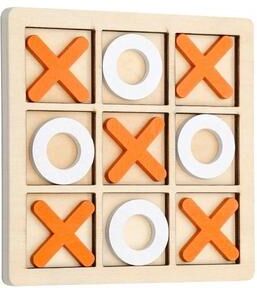
Uplifted Finds Solid Wooden Tic Tac Toe Board And Strategic Interaction Interface orangeInaugurate a direct energy for your environment with this integrated cognitive solution. This solid wooden TicTacToe board serves as a functional choice for your tactical recreation journeys, offering a highdurability alternative to standard...34,97 $*Shipping: 0,00 $Secure redirect to the provider
-
Inspire Curations TalkPaws Dog Communication Buttons For Pet Training & Interaction with Mats 9 PiecesStrengthen the bond with your pet through a fun and engaging way to communicate. These recordable dog communication buttons allow dogs and cats to associate words, actions, and needs with simple button presses, helping create interactive training...155,50 $*Shipping: 0,00 $Secure redirect to the provider
-
Uplift Essentials Vocal Link Interactive Pet Communication Buttons purple"Break the language barrier between you and your pet with the VocalLink Dog Communication Buttons. This innovative pet training buzzer system allows your dog or cat to ""speak"" their needs by pressing a button that plays your prerecorded voice...."34,97 $*Shipping: 0,00 $Secure redirect to the provider



-
Perhaps, subjunctive or indicative?
The choice between subjunctive or indicative depends on the context of the sentence. The subjunctive mood is used to express hypothetical or uncertain situations, wishes, recommendations, or doubts. On the other hand, the indicative mood is used for statements of fact or certainty. Therefore, if the sentence is expressing a possibility, doubt, or desire, the subjunctive mood would be more appropriate. **
-
Conditional, subjunctive or indicative?
The choice between conditional, subjunctive, or indicative mood depends on the context of the sentence. The conditional mood is used to express a hypothetical situation or a condition that is dependent on something else happening. The subjunctive mood is used to express wishes, recommendations, or possibilities. The indicative mood is used to state facts or ask questions. **
-
What is the use of the present subjunctive and the past subjunctive?
The present subjunctive is used to express desires, doubts, wishes, or hypothetical situations in the present or future. It is often used after certain verbs and conjunctions that indicate uncertainty or subjectivity. The past subjunctive, on the other hand, is used to express desires, doubts, wishes, or hypothetical situations in the past. It is often used in the same way as the present subjunctive, but in reference to past events or situations. Both subjunctive forms are used to convey uncertainty or subjectivity in a sentence. **
-
Are the subjunctive I and the subjunctive II present in all tenses?
No, the subjunctive I and subjunctive II are not present in all tenses. The subjunctive I is only present in the present tense, while the subjunctive II is present in the past tense. The subjunctive I is used to express wishes, suggestions, or hypothetical situations in the present, while the subjunctive II is used to express wishes, suggestions, or hypothetical situations in the past. Each tense has its own specific form of the subjunctive mood. **

When is the subjunctive used?
The subjunctive is used to express desires, doubts, wishes, possibilities, recommendations, or hypothetical situations. It is often used in dependent clauses following certain verbs or expressions that convey these meanings. The subjunctive mood is used to show uncertainty or subjectivity in a sentence, rather than stating a fact or certainty. It is important to pay attention to the context and the verb that triggers the use of the subjunctive in order to use it correctly. **
'It is strange that + subjunctive'
It is strange that she should be so calm in such a chaotic situation. **
Top-Angebote
Products related to Subjunctive:
-
Uplift Essentials Vocal Link Interactive Pet Communication Buttons blue"Break the language barrier between you and your pet with the VocalLink Dog Communication Buttons. This innovative pet training buzzer system allows your dog or cat to ""speak"" their needs by pressing a button that plays your prerecorded voice...."34,97 $*Shipping: 0,00 $Secure redirect to the provider
-
TP-LINK UE300C USB-C to Ethernet Adapter – Gigabit Connectivity for Ultrabooks & TabletsOverview: The TP-Link UE300C is a compact and efficient USB-C to Gigabit Ethernet adapter, designed to provide high-speed wired internet access to devices lacking an Ethernet port. Ideal for ultrabooks, Chromebooks, and tablets, it ensures stable and fast network connections. Product Description: This lightweight adapter features a USB 3.0 Type-C connector and an RJ45 Gigabit Ethernet port, supporting data transfer speeds up to 1000Mbps. Its plug-and-play functionality ensures easy setup without the need for additional drivers on most operating systems, including Windows 10/8.1/8/7, macOS 10.9 and later, Chrome OS, and Linux. The foldable design enhances portability, making it an excellent companion for on-the-go professionals. Key Features: High-Speed Connectivity: Supports Gigabit Ethernet speeds up to 1000Mbps for seamless streaming, gaming, and large file transfers. Plug-and-Play: No additional drivers required for most operating systems; compatible with Windows, macOS, Chrome OS, and Linux. Compact Design: Slim and foldable, perfect for travel and easy storage. Universal Compatibility: Works with a wide range of USB-C devices, including ultrabooks, tablets, and smartphones. Durable Build: Designed for reliable performance and longevity.9,99 £*Shipping: 0,00 £Secure redirect to the provider
-
Uplift Essentials Natural Edible Small Pet Chews Enrichment Dental Interface High Yield Foraging Interaction Hub Natural Edible Small Pet Chews Enrichment Dental Interface High Yield Foraging Interaction HubAchieve nutritional optimization with these Precision Detachable Enrichment Chews. Specifically engineered for biological transparency, this highperformance technical tool acts as a vital tool for dental efficiency, neutralizing the limitations of...67,97 $*Shipping: 0,00 $Secure redirect to the provider
-
Uplifted Finds Solid Wooden Tic Tac Toe Board And Strategic Interaction Interface orangeInaugurate a direct energy for your environment with this integrated cognitive solution. This solid wooden TicTacToe board serves as a functional choice for your tactical recreation journeys, offering a highdurability alternative to standard...34,97 $*Shipping: 0,00 $Secure redirect to the provider
-
How are Latin subjunctive subordinate clauses still translated with the subjunctive?
Latin subjunctive subordinate clauses are still translated with the subjunctive in English to convey the same sense of uncertainty, possibility, or doubt. In English, the subjunctive mood is used to express hypothetical or unreal situations, wishes, recommendations, or demands. Therefore, when translating Latin subjunctive subordinate clauses, the English subjunctive is used to maintain the same mood and meaning of the original Latin sentence. **
-
Maybe subjunctive or indicative?
The choice between subjunctive or indicative depends on the context of the sentence. The subjunctive mood is used to express doubt, uncertainty, desire, or hypothetical situations, while the indicative mood is used for statements of fact or certainty. To determine whether to use subjunctive or indicative, consider the verb's relationship to reality and whether it is expressing a fact or a possibility. **
-
Perhaps, subjunctive or indicative?
The choice between subjunctive or indicative depends on the context of the sentence. The subjunctive mood is used to express hypothetical or uncertain situations, wishes, recommendations, or doubts. On the other hand, the indicative mood is used for statements of fact or certainty. Therefore, if the sentence is expressing a possibility, doubt, or desire, the subjunctive mood would be more appropriate. **
-
Conditional, subjunctive or indicative?
The choice between conditional, subjunctive, or indicative mood depends on the context of the sentence. The conditional mood is used to express a hypothetical situation or a condition that is dependent on something else happening. The subjunctive mood is used to express wishes, recommendations, or possibilities. The indicative mood is used to state facts or ask questions. **
Similar search terms for Subjunctive
-
Inspire Curations TalkPaws Dog Communication Buttons For Pet Training & Interaction with Mats 9 PiecesStrengthen the bond with your pet through a fun and engaging way to communicate. These recordable dog communication buttons allow dogs and cats to associate words, actions, and needs with simple button presses, helping create interactive training...155,50 $*Shipping: 0,00 $Secure redirect to the provider
-
Uplift Essentials Vocal Link Interactive Pet Communication Buttons purple"Break the language barrier between you and your pet with the VocalLink Dog Communication Buttons. This innovative pet training buzzer system allows your dog or cat to ""speak"" their needs by pressing a button that plays your prerecorded voice...."34,97 $*Shipping: 0,00 $Secure redirect to the provider
-
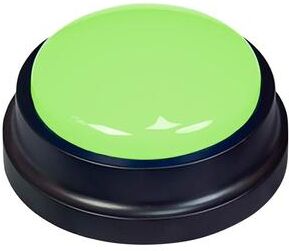
Uplift Essentials Vocal Link Interactive Pet Communication Buttons green"Break the language barrier between you and your pet with the VocalLink Dog Communication Buttons. This innovative pet training buzzer system allows your dog or cat to ""speak"" their needs by pressing a button that plays your prerecorded voice...."34,97 $*Shipping: 0,00 $Secure redirect to the provider
-
Uplift Essentials Vocal Link Interactive Pet Communication Buttons orange"Break the language barrier between you and your pet with the VocalLink Dog Communication Buttons. This innovative pet training buzzer system allows your dog or cat to ""speak"" their needs by pressing a button that plays your prerecorded voice...."34,97 $*Shipping: 0,00 $Secure redirect to the provider
-
What is the use of the present subjunctive and the past subjunctive?
The present subjunctive is used to express desires, doubts, wishes, or hypothetical situations in the present or future. It is often used after certain verbs and conjunctions that indicate uncertainty or subjectivity. The past subjunctive, on the other hand, is used to express desires, doubts, wishes, or hypothetical situations in the past. It is often used in the same way as the present subjunctive, but in reference to past events or situations. Both subjunctive forms are used to convey uncertainty or subjectivity in a sentence. **
-
Are the subjunctive I and the subjunctive II present in all tenses?
No, the subjunctive I and subjunctive II are not present in all tenses. The subjunctive I is only present in the present tense, while the subjunctive II is present in the past tense. The subjunctive I is used to express wishes, suggestions, or hypothetical situations in the present, while the subjunctive II is used to express wishes, suggestions, or hypothetical situations in the past. Each tense has its own specific form of the subjunctive mood. **
-
When is the subjunctive used?
The subjunctive is used to express desires, doubts, wishes, possibilities, recommendations, or hypothetical situations. It is often used in dependent clauses following certain verbs or expressions that convey these meanings. The subjunctive mood is used to show uncertainty or subjectivity in a sentence, rather than stating a fact or certainty. It is important to pay attention to the context and the verb that triggers the use of the subjunctive in order to use it correctly. **
-
'It is strange that + subjunctive'
It is strange that she should be so calm in such a chaotic situation. **
* All prices are inclusive of VAT and, if applicable, plus shipping costs. The offer information is based on the details provided by the respective shop and is updated through automated processes. Real-time updates do not occur, so deviations can occur in individual cases. ** Note: Parts of this content were created by AI.