Buy easycontact.eu ?
We are moving the project
easycontact.eu .
Are you interested in purchasing the domain
easycontact.eu ?
domain@kv-gmbh.de · 0541-91531010
Buy easycontact.eu ?
How is the Wi-Fi connectivity?
The Wi-Fi connectivity is excellent. The signal strength is strong and consistent throughout the premises, allowing for seamless internet access. Whether you are in the lobby, your room, or the common areas, you can expect reliable and fast Wi-Fi connectivity. This makes it convenient for guests to stay connected and productive during their stay. **
What are the connectivity issues with the TP-Link Wi-Fi extender?
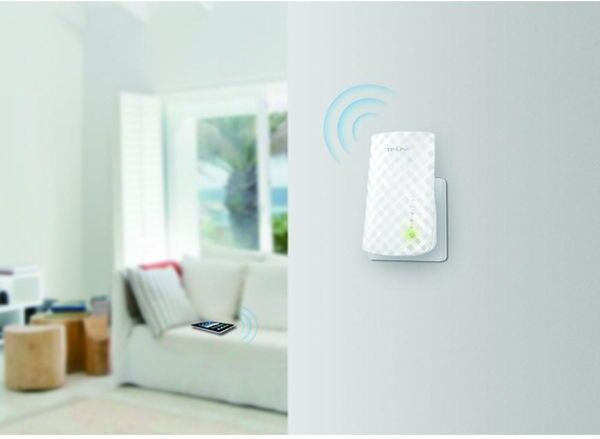
Some common connectivity issues with TP-Link Wi-Fi extenders include intermittent connection drops, slow or unstable connection speeds, difficulty in connecting to the extender's network, and limited coverage range. These issues can be caused by interference from other electronic devices, outdated firmware, improper placement of the extender, or compatibility issues with the router. Troubleshooting steps such as updating the extender's firmware, relocating it closer to the router, and ensuring it is set up correctly can help resolve these connectivity issues. **

Similar search terms for Wi-Fi
Top-Angebote
Products related to Wi-Fi:
-
ZTE U50 5G Mobile Wi-Fi Hotspot, Wi-Fi 6, Unlocked, 4500mAhZTE U50: an unlocked 5G/4G+ portable mobile broadband hotspot with Wi-Fi 6 (802.11ax) for up to 32 devices, downloads up to 2.63 Gbps on 5G Sub-6 and uploads up to 525 Mbps. Removable 4500 mAh battery, nano-SIM (4FF) slot, USB-C port and two TS9 external-antenna connectors.122,49 £*Shipping: 0,00 £Secure redirect to the provider


-
What is a Wi-Fi interface?
A Wi-Fi interface is a hardware component in a device, such as a computer or smartphone, that allows it to connect to a wireless network. It enables the device to communicate with a Wi-Fi router or access point, allowing for wireless internet connectivity. The interface typically includes a built-in antenna and a network adapter that enables the device to send and receive data over a Wi-Fi network. This allows users to access the internet, share files, and communicate with other devices without the need for physical cables. **
-
Can a Wi-Fi extender amplify the Wi-Fi signal from another Wi-Fi extender?
Yes, a Wi-Fi extender can amplify the Wi-Fi signal from another Wi-Fi extender. This is known as daisy-chaining, where one extender picks up the signal from the main router and then extends it further to another extender. However, each time the signal is extended, there is a potential for some loss in speed and performance. It's important to place the extenders strategically to ensure the best coverage and minimize signal degradation. **
-
How far does the Wi-Fi box reach?
The range of a Wi-Fi box can vary depending on factors such as the type of router, the presence of obstacles, and the frequency band being used. In general, a standard Wi-Fi router can reach up to 150 feet indoors and up to 300 feet outdoors. However, this range can be extended with the use of range extenders or mesh Wi-Fi systems. It's important to note that the actual range experienced by users may vary based on their specific environment and network conditions. **
-
What is the difference between mesh Wi-Fi and powerline networking?
Mesh Wi-Fi uses multiple access points to create a single, seamless network throughout a home or office, providing consistent Wi-Fi coverage. Powerline networking, on the other hand, uses a home's electrical wiring to transmit data signals, allowing users to extend their network to areas where Wi-Fi signals may be weak. While mesh Wi-Fi is ideal for providing strong, consistent Wi-Fi coverage throughout a larger area, powerline networking is a convenient solution for extending a wired network connection to areas where running Ethernet cables may be impractical. **


Will a Wi-Fi extender solve my Wi-Fi problem?
A Wi-Fi extender can help improve Wi-Fi coverage in areas of your home or office where the signal is weak or spotty. By placing the extender in a location where the Wi-Fi signal is strong, it can amplify and extend the signal to reach areas that were previously experiencing connectivity issues. However, it's important to note that a Wi-Fi extender may not completely solve all Wi-Fi problems, especially if the original issue is due to factors like interference, outdated equipment, or a slow internet connection. It's always a good idea to troubleshoot and identify the root cause of your Wi-Fi problems before investing in a Wi-Fi extender. **
How can I receive Wi-Fi with a Wi-Fi router?
To receive Wi-Fi with a Wi-Fi router, you need to first connect the router to a power source and then connect it to your modem using an Ethernet cable. Once the router is connected and powered on, you can access the Wi-Fi network by searching for it on your device and entering the password if required. Make sure the router is placed in a central location in your home for better coverage and connectivity. **
Top-Angebote
Products related to Wi-Fi:
-
HPE Networking Instant On AP22 Wi-Fi 6 Access PointWall or ceiling-mountable Wi-Fi 6 access point supporting dual-band operation (2.4 GHz and 5 GHz) with maximum data rates of 574 Mbps and 1.2 Gbps respectively. Powered by PoE connectivity and includes Bluetooth support, delivering enterprise-grade wireless coverage for indoor spaces in a compact 16x16x3.7cm form factor.127,49 £*Shipping: 0,00 £Secure redirect to the provider
-
How is the Wi-Fi connectivity?
The Wi-Fi connectivity is excellent. The signal strength is strong and consistent throughout the premises, allowing for seamless internet access. Whether you are in the lobby, your room, or the common areas, you can expect reliable and fast Wi-Fi connectivity. This makes it convenient for guests to stay connected and productive during their stay. **
-
What are the connectivity issues with the TP-Link Wi-Fi extender?
Some common connectivity issues with TP-Link Wi-Fi extenders include intermittent connection drops, slow or unstable connection speeds, difficulty in connecting to the extender's network, and limited coverage range. These issues can be caused by interference from other electronic devices, outdated firmware, improper placement of the extender, or compatibility issues with the router. Troubleshooting steps such as updating the extender's firmware, relocating it closer to the router, and ensuring it is set up correctly can help resolve these connectivity issues. **
-
What is a Wi-Fi interface?
A Wi-Fi interface is a hardware component in a device, such as a computer or smartphone, that allows it to connect to a wireless network. It enables the device to communicate with a Wi-Fi router or access point, allowing for wireless internet connectivity. The interface typically includes a built-in antenna and a network adapter that enables the device to send and receive data over a Wi-Fi network. This allows users to access the internet, share files, and communicate with other devices without the need for physical cables. **
-
Can a Wi-Fi extender amplify the Wi-Fi signal from another Wi-Fi extender?
Yes, a Wi-Fi extender can amplify the Wi-Fi signal from another Wi-Fi extender. This is known as daisy-chaining, where one extender picks up the signal from the main router and then extends it further to another extender. However, each time the signal is extended, there is a potential for some loss in speed and performance. It's important to place the extenders strategically to ensure the best coverage and minimize signal degradation. **
Similar search terms for Wi-Fi
-
ZTE U50 5G Mobile Wi-Fi Hotspot, Wi-Fi 6, Unlocked, 4500mAhZTE U50: an unlocked 5G/4G+ portable mobile broadband hotspot with Wi-Fi 6 (802.11ax) for up to 32 devices, downloads up to 2.63 Gbps on 5G Sub-6 and uploads up to 525 Mbps. Removable 4500 mAh battery, nano-SIM (4FF) slot, USB-C port and two TS9 external-antenna connectors.122,49 £*Shipping: 0,00 £Secure redirect to the provider
-
HPE Networking Instant On AP25 (RW) R9B28A 4x4 Wi-Fi 6 Indoor Access PointWi-Fi 6 cloud-managed access point supporting IEEE 802.11ax with dual-band connectivity (2.4 GHz and 5 GHz). Delivers maximum data rates of 4.8 Gbps on 5 GHz and 574 Mbps on 2.4 GHz with aggregate bandwidth of 5.3 Gbps. PoE-powered with wall or ceiling mounting capability and includes a 2-year warranty.209,99 £*Shipping: 0,00 £Secure redirect to the provider
-
How far does the Wi-Fi box reach?
The range of a Wi-Fi box can vary depending on factors such as the type of router, the presence of obstacles, and the frequency band being used. In general, a standard Wi-Fi router can reach up to 150 feet indoors and up to 300 feet outdoors. However, this range can be extended with the use of range extenders or mesh Wi-Fi systems. It's important to note that the actual range experienced by users may vary based on their specific environment and network conditions. **
-
What is the difference between mesh Wi-Fi and powerline networking?
Mesh Wi-Fi uses multiple access points to create a single, seamless network throughout a home or office, providing consistent Wi-Fi coverage. Powerline networking, on the other hand, uses a home's electrical wiring to transmit data signals, allowing users to extend their network to areas where Wi-Fi signals may be weak. While mesh Wi-Fi is ideal for providing strong, consistent Wi-Fi coverage throughout a larger area, powerline networking is a convenient solution for extending a wired network connection to areas where running Ethernet cables may be impractical. **
-
Will a Wi-Fi extender solve my Wi-Fi problem?
A Wi-Fi extender can help improve Wi-Fi coverage in areas of your home or office where the signal is weak or spotty. By placing the extender in a location where the Wi-Fi signal is strong, it can amplify and extend the signal to reach areas that were previously experiencing connectivity issues. However, it's important to note that a Wi-Fi extender may not completely solve all Wi-Fi problems, especially if the original issue is due to factors like interference, outdated equipment, or a slow internet connection. It's always a good idea to troubleshoot and identify the root cause of your Wi-Fi problems before investing in a Wi-Fi extender. **
-
How can I receive Wi-Fi with a Wi-Fi router?
To receive Wi-Fi with a Wi-Fi router, you need to first connect the router to a power source and then connect it to your modem using an Ethernet cable. Once the router is connected and powered on, you can access the Wi-Fi network by searching for it on your device and entering the password if required. Make sure the router is placed in a central location in your home for better coverage and connectivity. **
* All prices are inclusive of VAT and, if applicable, plus shipping costs. The offer information is based on the details provided by the respective shop and is updated through automated processes. Real-time updates do not occur, so deviations can occur in individual cases. ** Note: Parts of this content were created by AI.